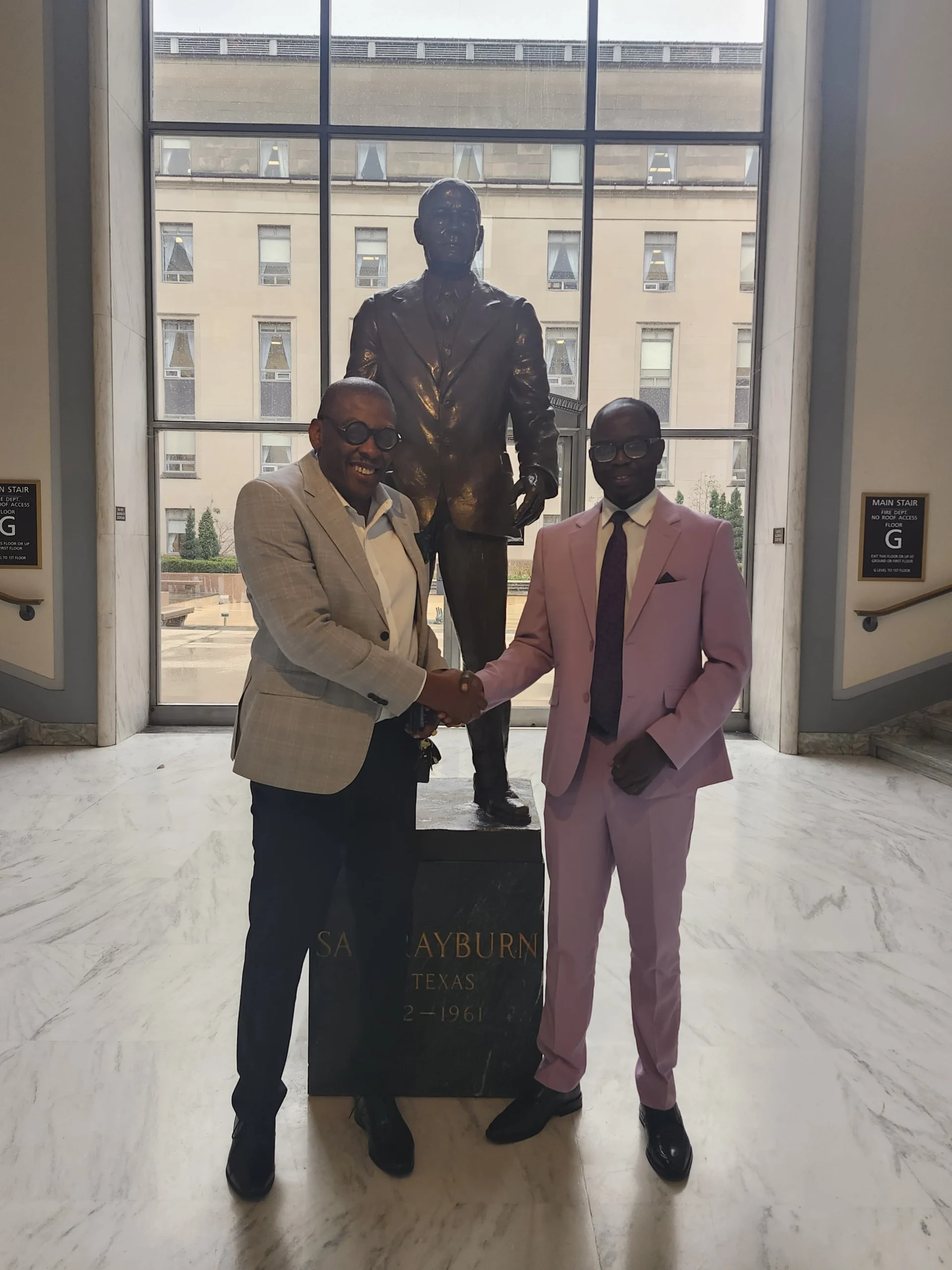
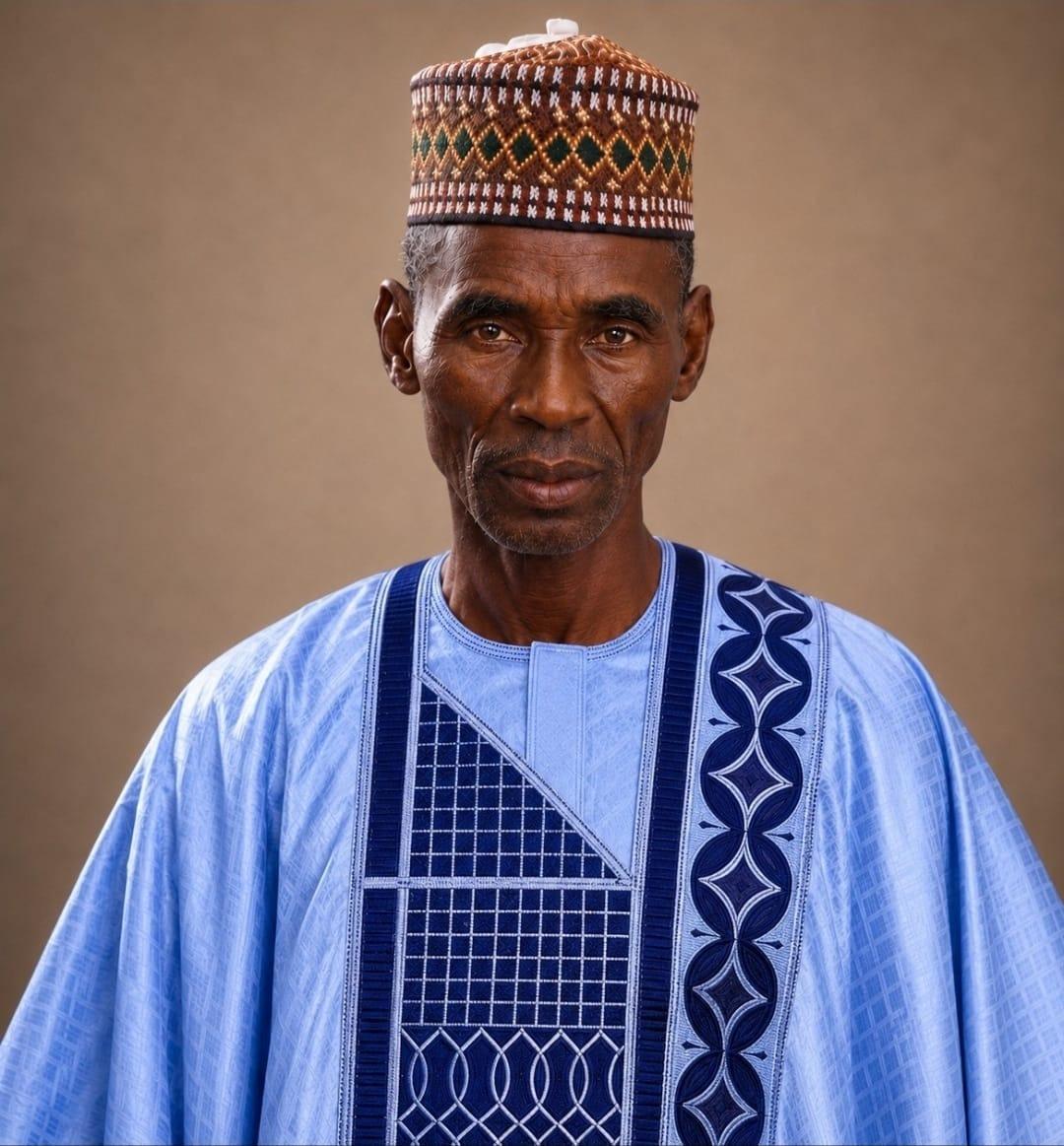
Stephen S Enada

Stephen S. Enada

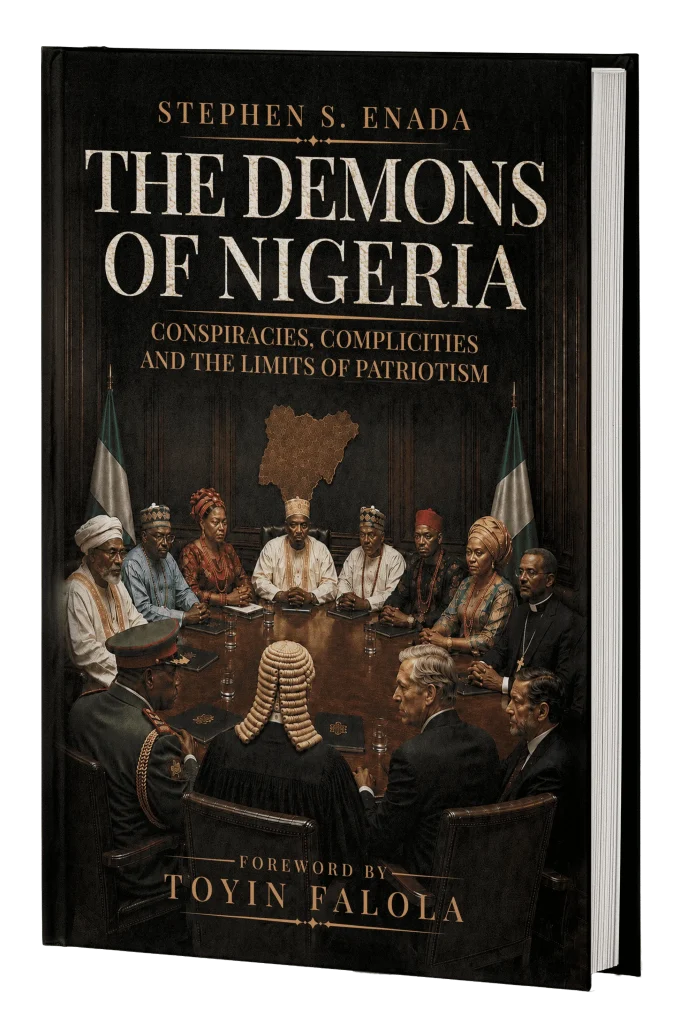
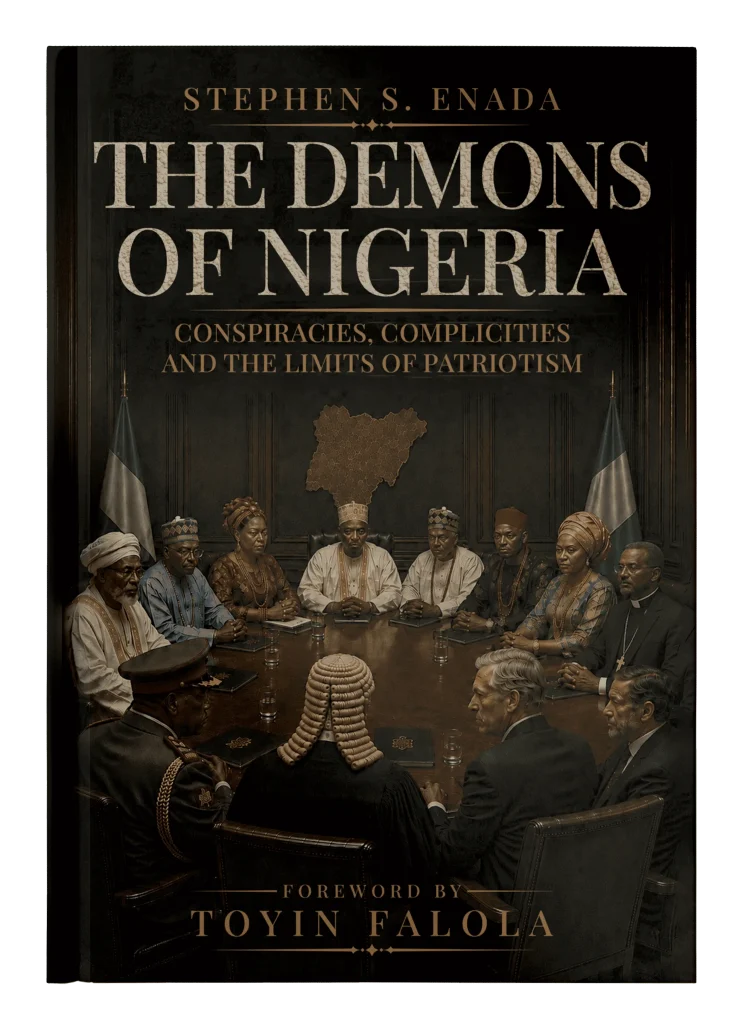
THE DEMONS

OF NIGERIA

CONSPIRACIES, COMPLICITIES
AND THE LIMITS OF PATRIOTISM

Nigeria's greatest battle is not against unseen enemies—it is against the systems, institutions, and habits that have quietly captured the nation from within.

About The Author

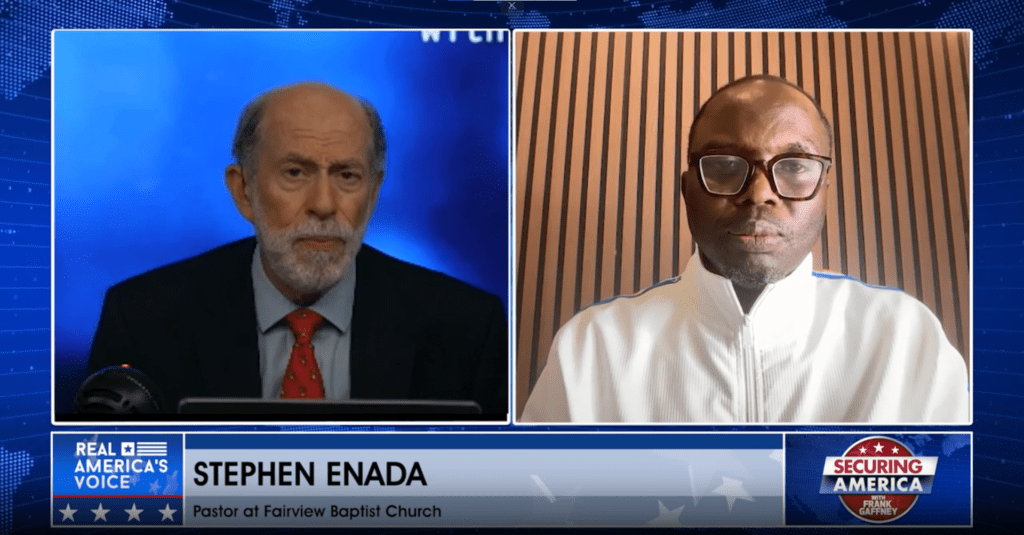
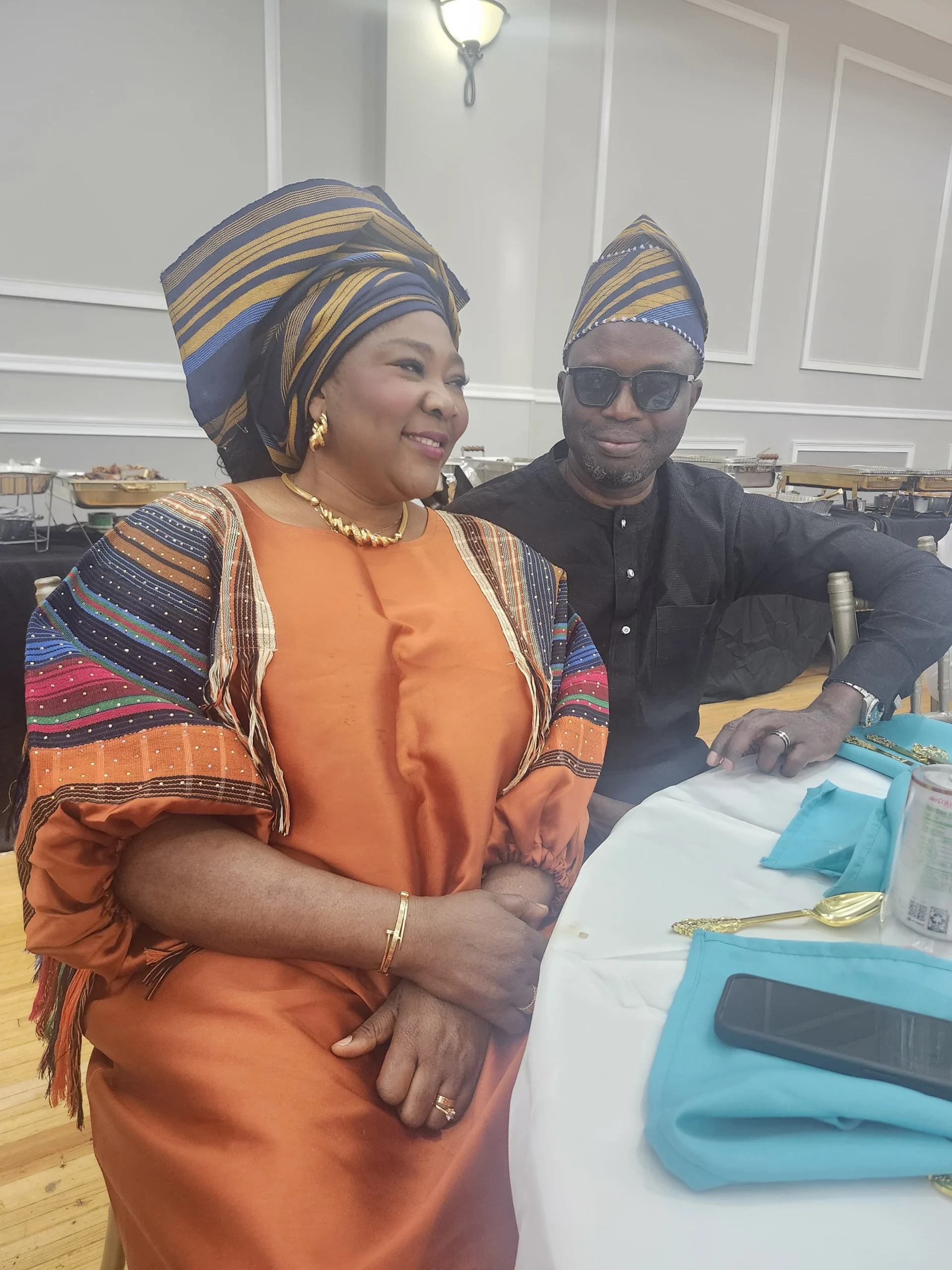
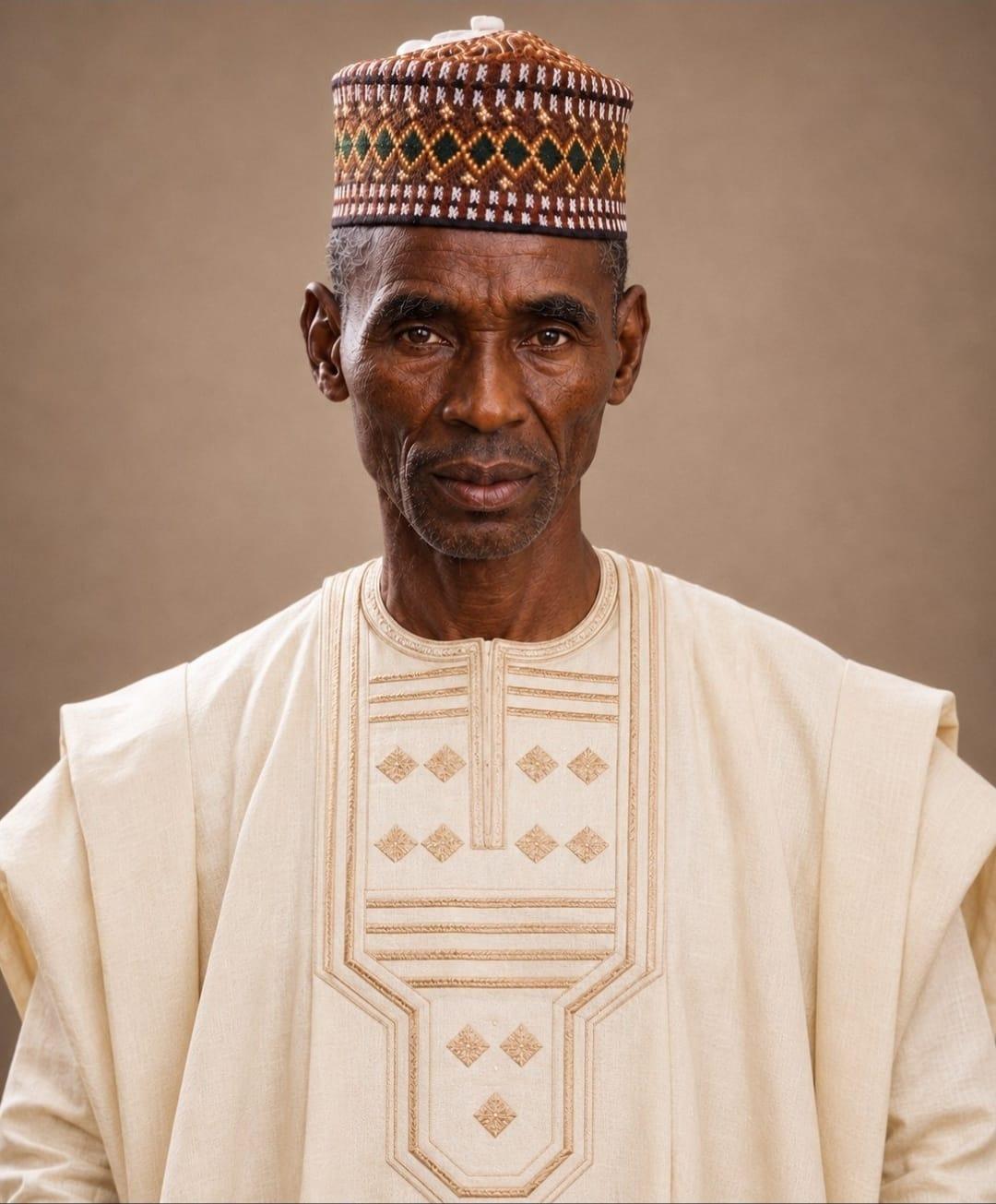
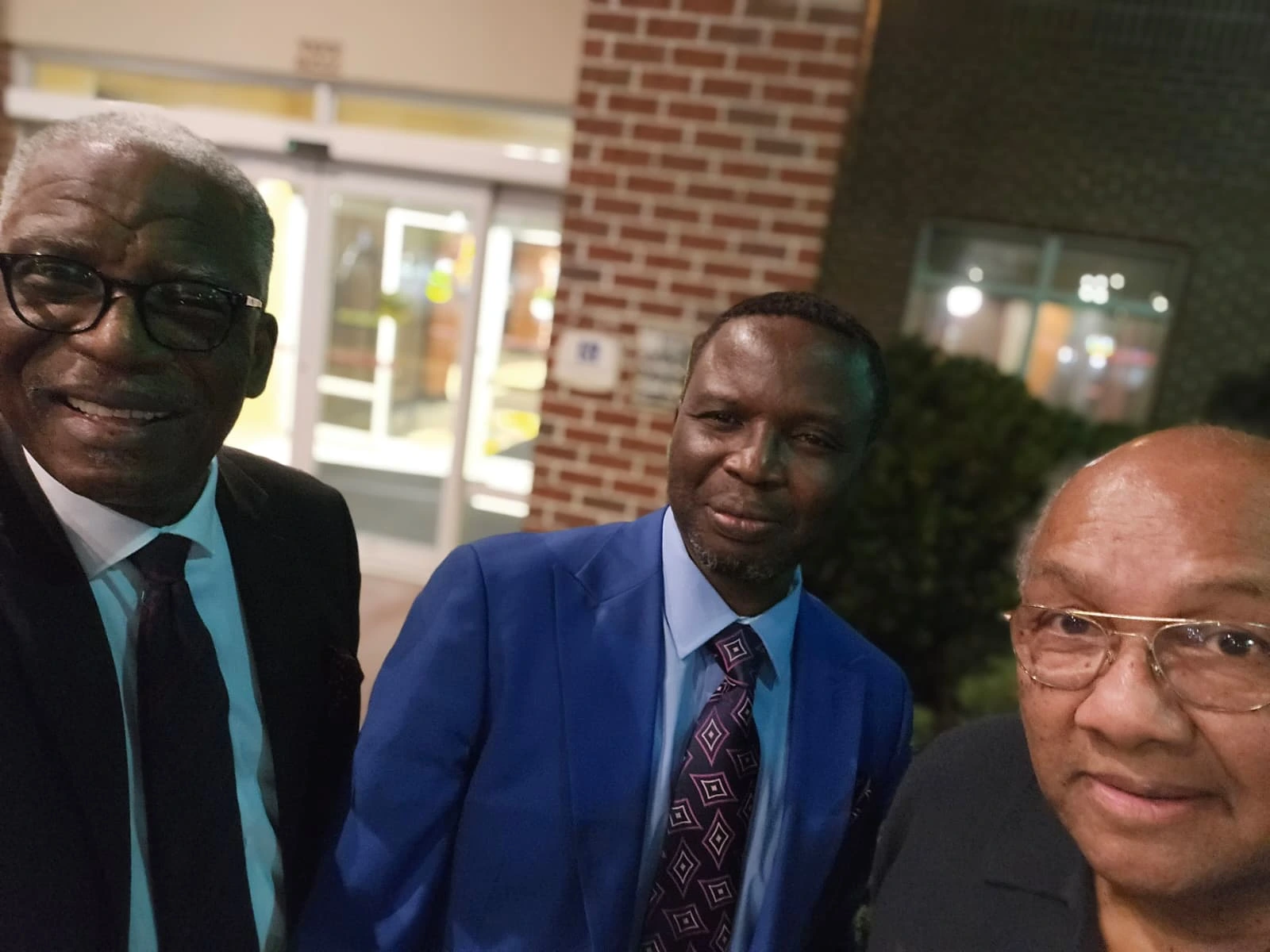
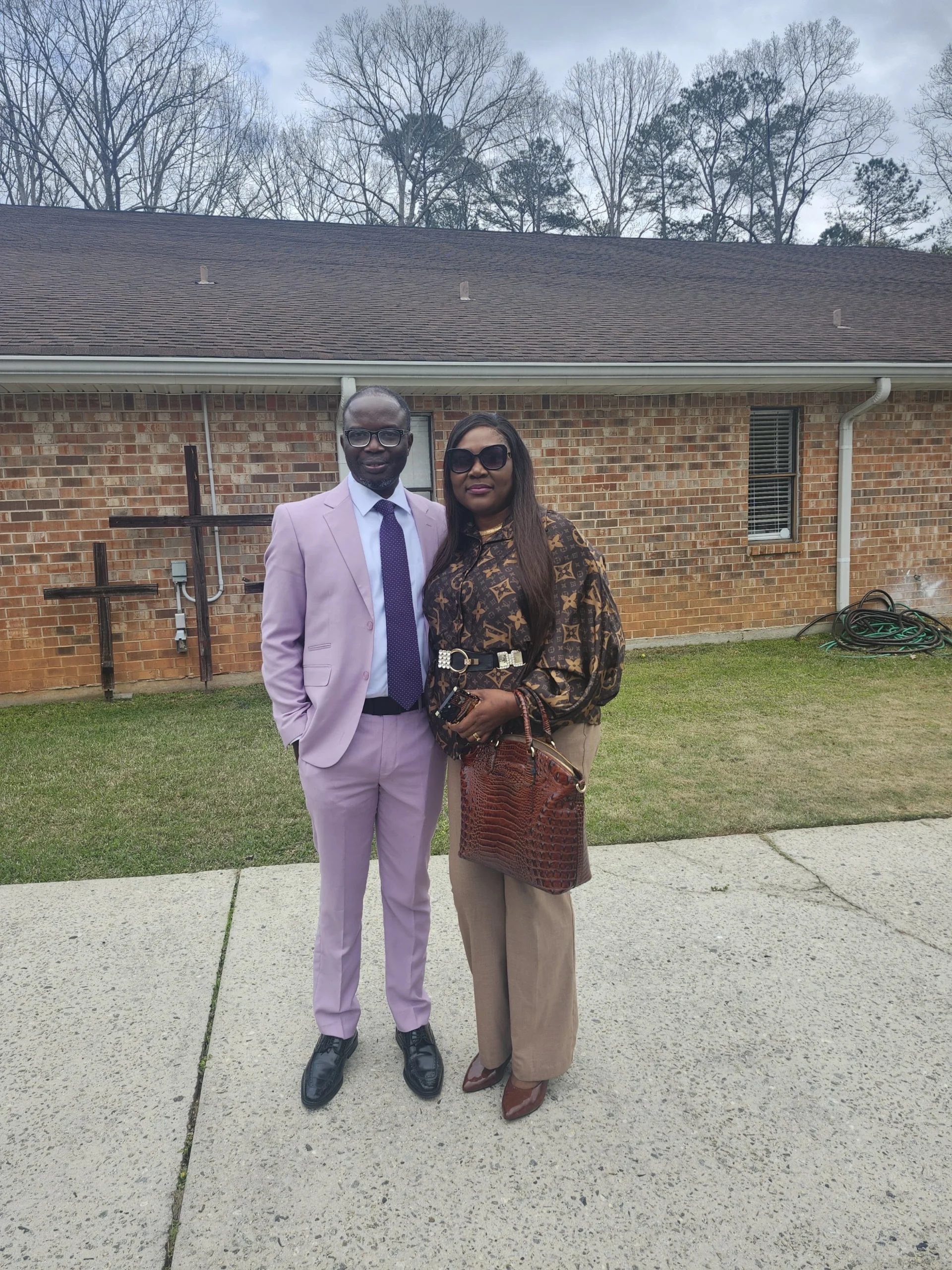
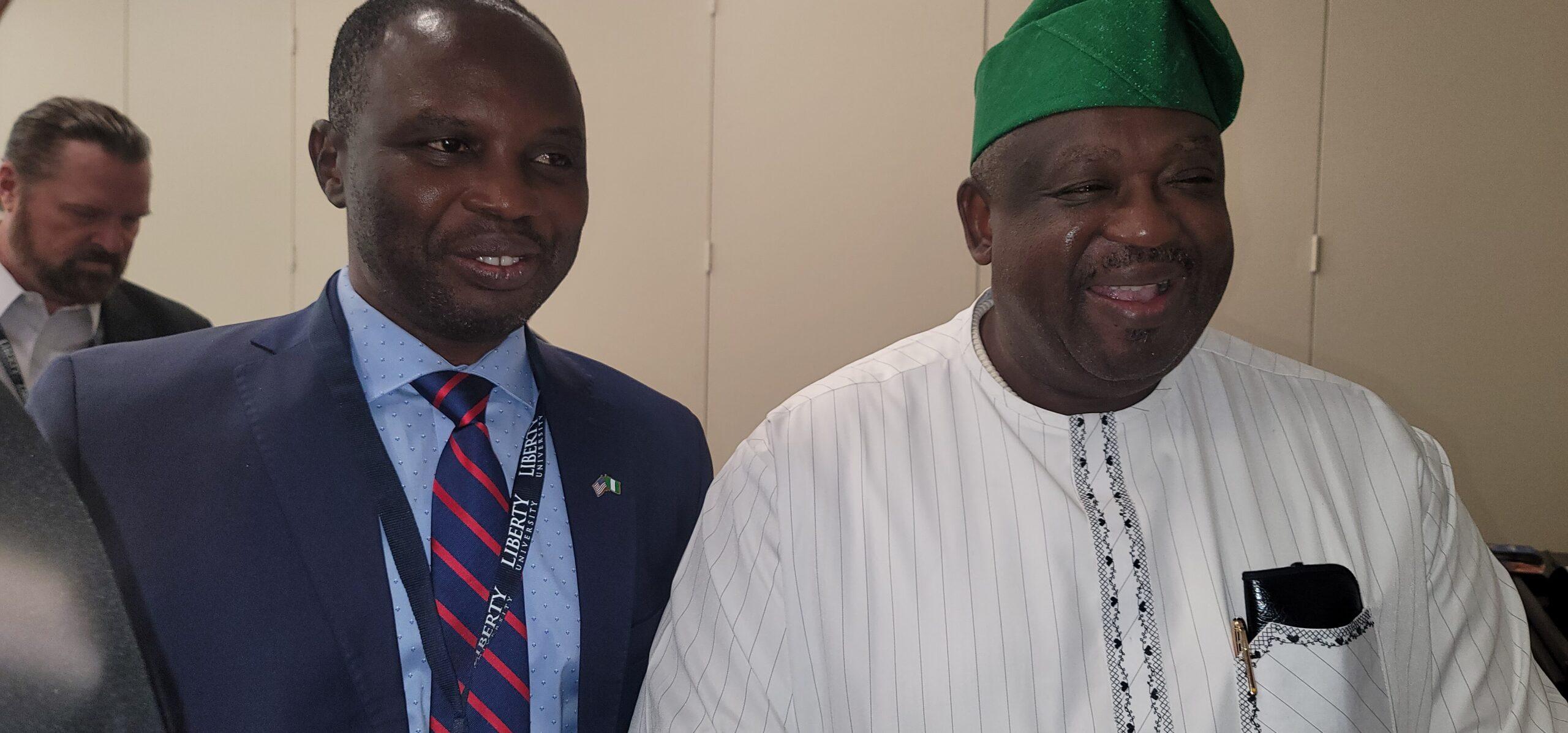
Stephen S. Enada​

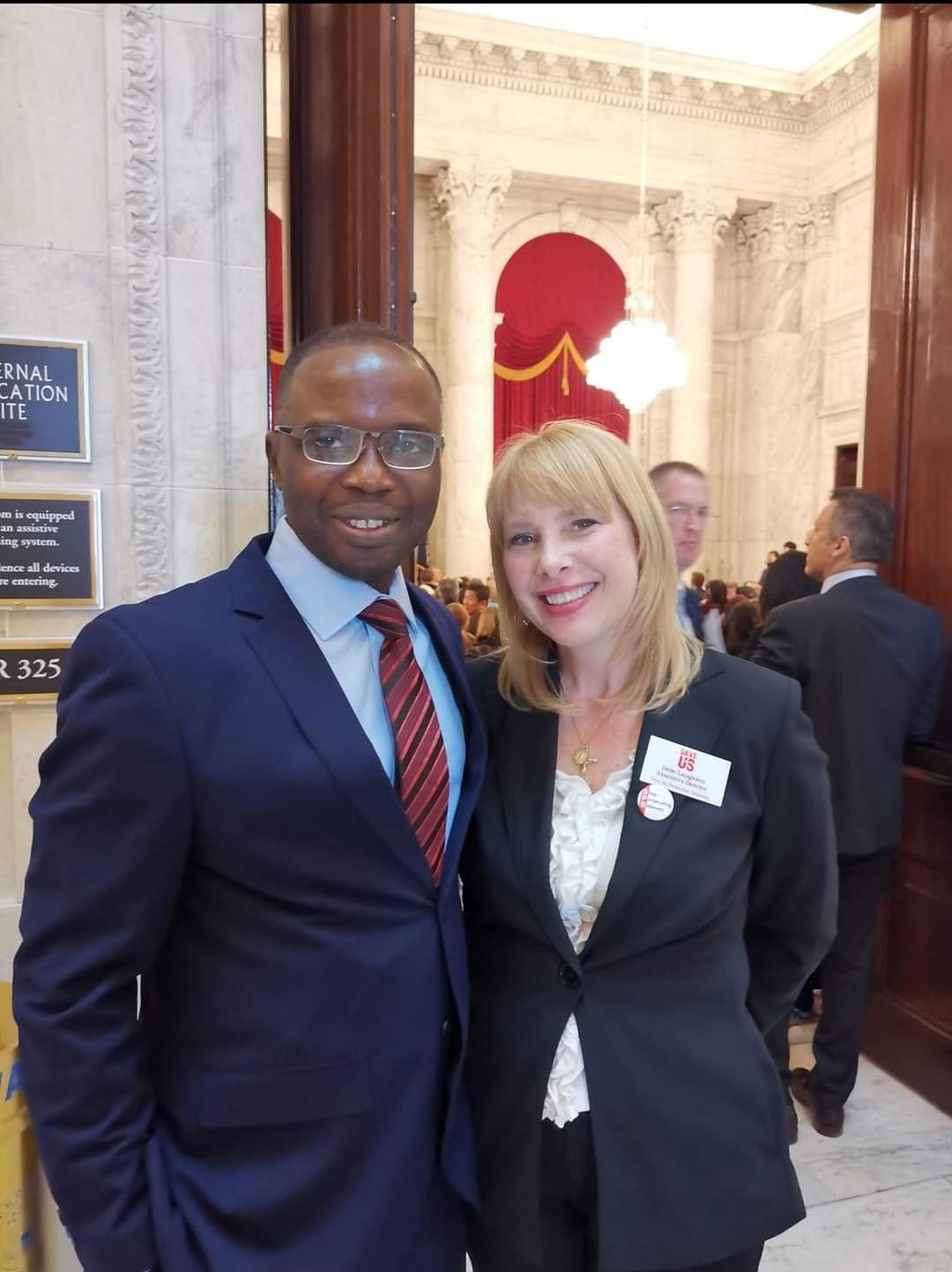
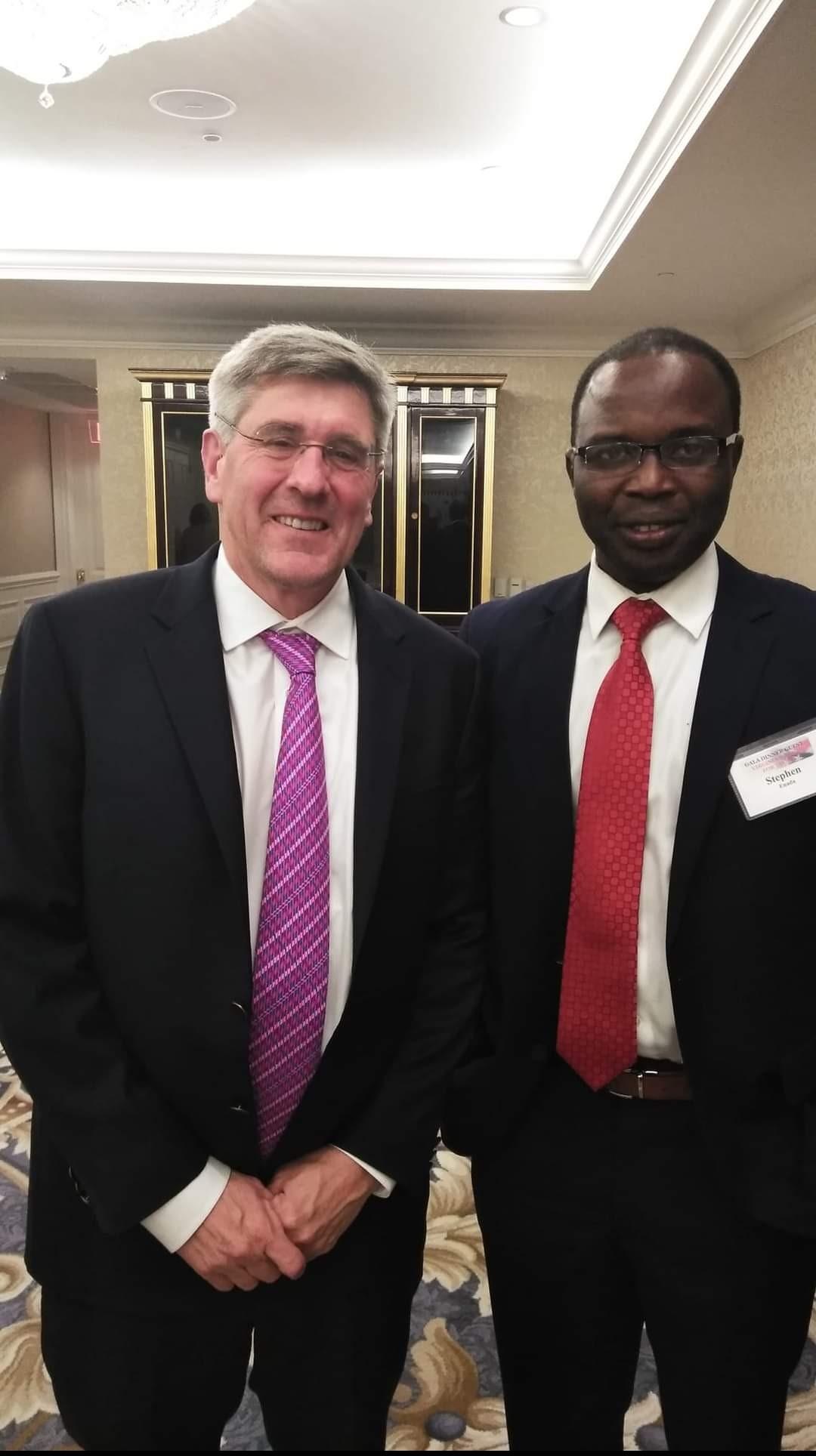
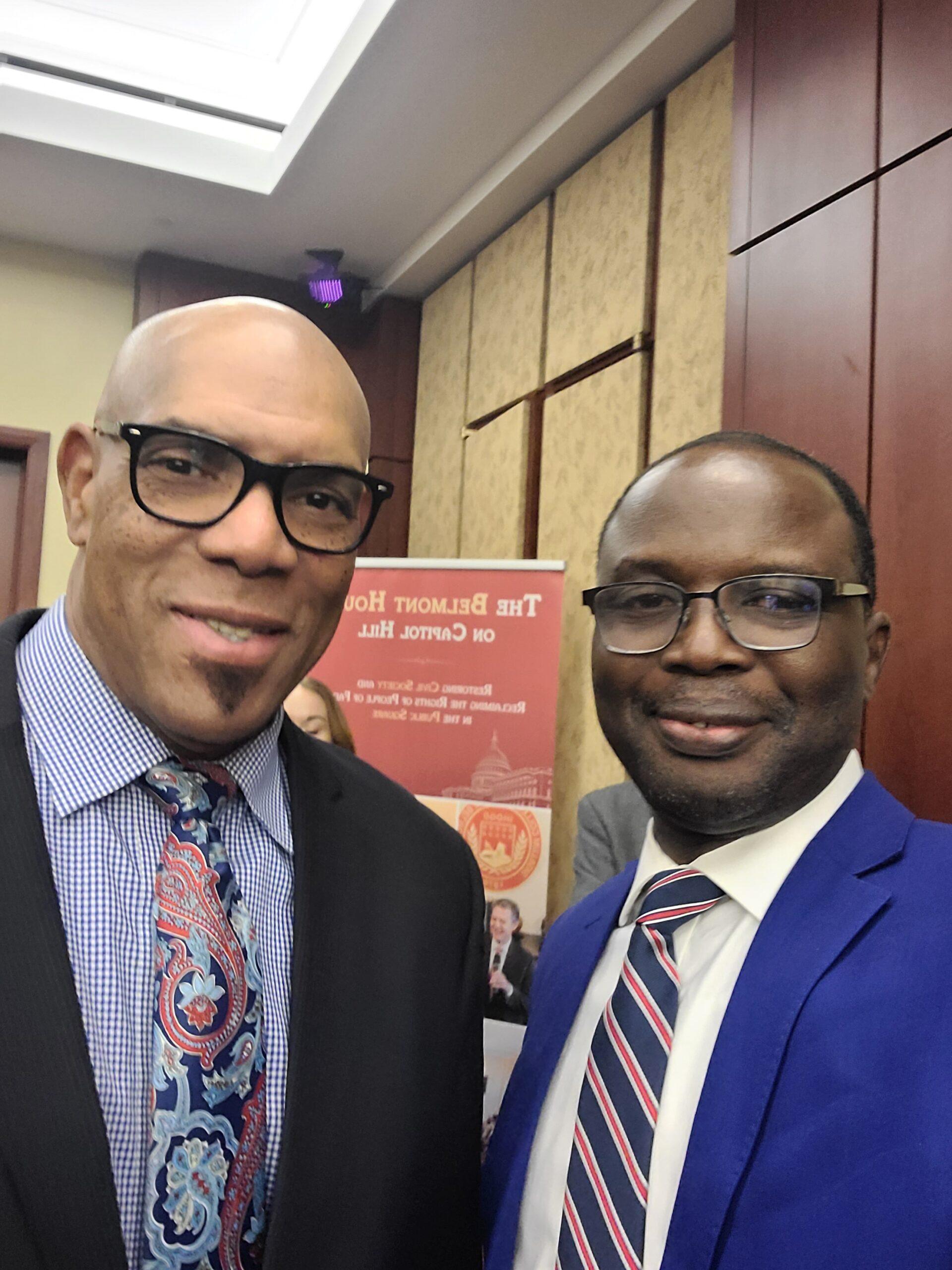
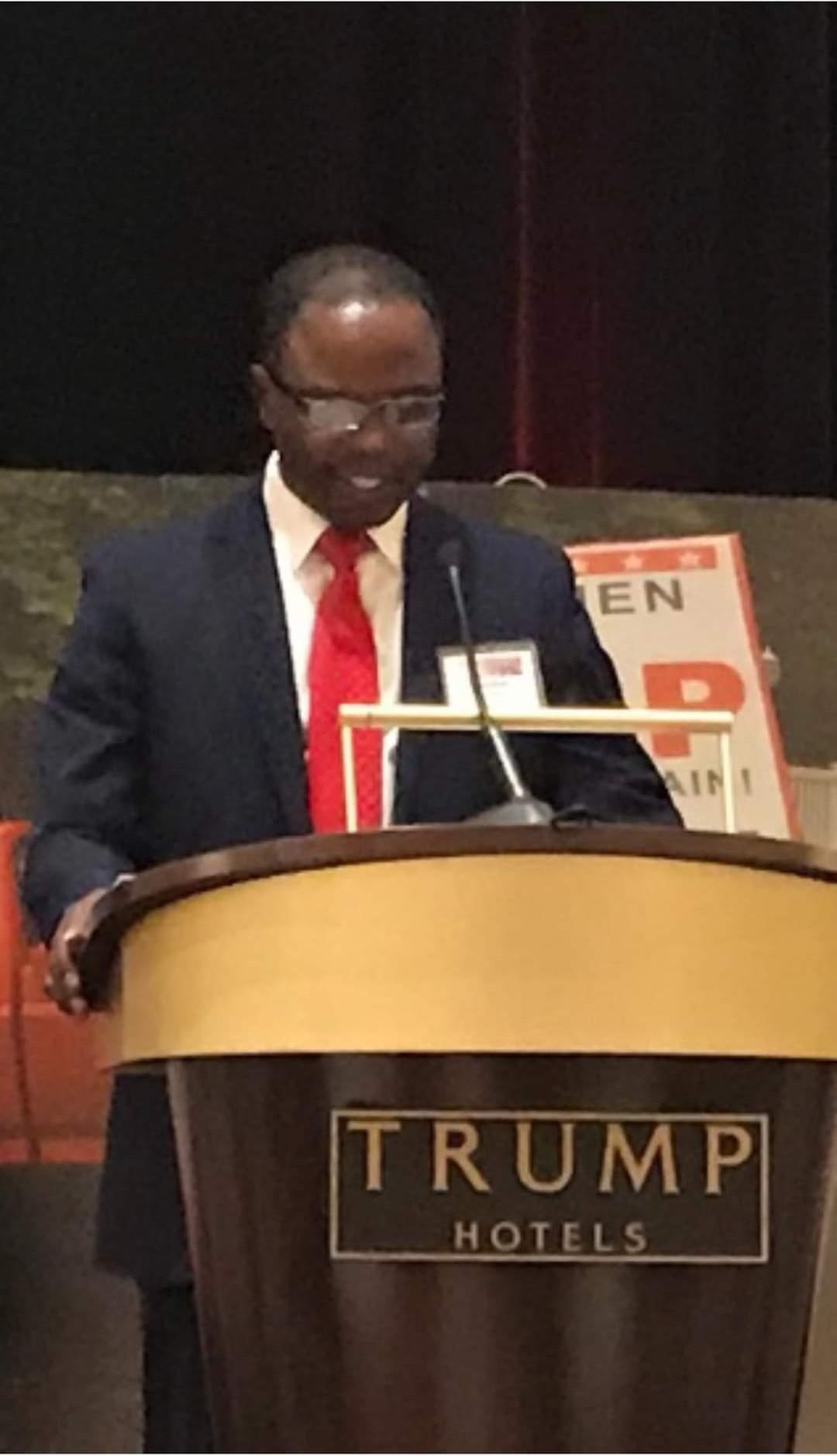
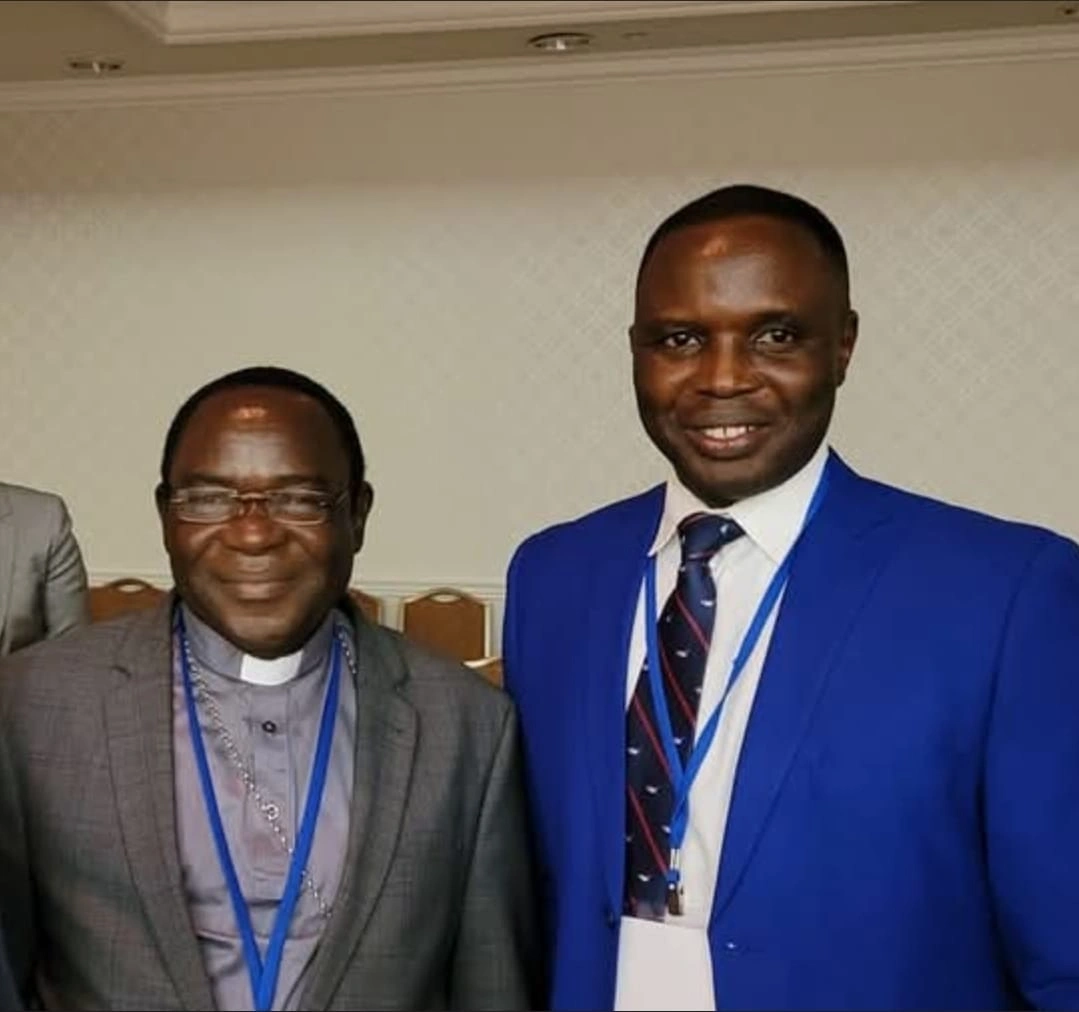
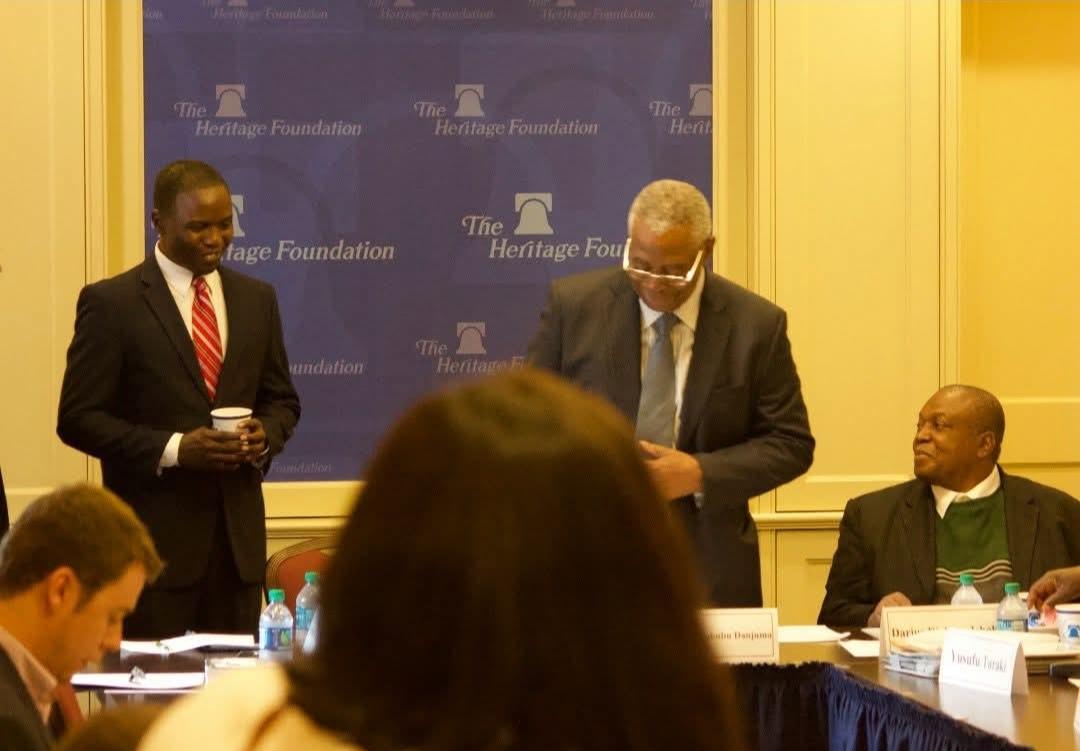
Stephen S. Enada is a scholar, writer, and advocate whose work explores the intersection of history, political philosophy, economics, and theology in the context of modern Nigeria. With a rigorous academic approach and moral clarity, he examines the complex forces that have shaped the nation's trajectory.

Drawing on deep research and real-world case studies, Enada moves beyond exposing the nation's deepest wounds to present a compelling blueprint for national renewal. His work challenges readers to become active participants in Nigeria's transformation.

Whether addressing policymakers, scholars, students, faith leaders, members of the diaspora, or concerned citizens, his writing serves as both an urgent diagnosis and an inspiring roadmap toward a stronger, more united Nigeria.

About The Book

THE DEMONS OF NIGERIA

In The Demons of Nigeria, Stephen S. Enada delivers a bold, deeply researched, and intellectually rigorous examination of the historical, political, economic, judicial, religious, and cultural forces that have shaped modern Nigeria.
Challenging conventional narratives, he argues that the country's enduring crises cannot be attributed to politicians alone, but to a complex web of conspiracies, institutional failures, collective complicity, and misplaced patriotism that has permeated every level of society.
Yet this is far more than a critique. Drawing on history, public policy, political philosophy, economics, theology, and real-world case studies, Enada moves beyond exposing the nation's deepest wounds to present a compelling blueprint for national renewal.
From restoring institutional integrity and strengthening civic responsibility to confronting ethnic division, religious manipulation, corruption, and elite capture, he offers practical, research-driven solutions designed to rebuild trust, accountability, justice, and genuine patriotism.

Key Themes

⚖️

Institutional Integrity

Restoring trust in systems that serve the people

🤝

Civic Responsibility

Confronting ethnic division and collective complicity

📜

Historical Truth

Examining the colonial legacy and its lasting impact

🏛️

Governance Reform

Practical solutions against corruption and elite capture

🕊️

Genuine Patriotism

Rebuilding accountability, justice, and national unity

📖

Policy Innovation

Research-driven solutions for national renewal

Foreword by

Every society of the world, past and present, and everywhere humans exist, has things in common with one another. Aside from human inhabitancy, every world society has had the distinct ability to be molded not only by its organizations and figures of power but also by abstract things such as its own narratives. It has the ideals it holds true no matter the passing of time and the bravery of its people when faced with adversity to help keep it intact even during its darkest hours. It is through this depiction of imagery that The Demons of Nigeria finds its importance.
This book is, no doubt, a sincere addition to what will certainly be a continued conversation about the Nigerian State. It is a meditation on the past, present, and future. Written with admirable candor and intellectual rigor, the book cuts to the heart of some dynamics that have defined the Nigerian experience for many years. There are important conversations to be had about the things this book points out: our lack of altruism, our silence when we see injustice occurring, our ethnic suspicions, our political hijinks, and the slow acceptance of a crazed public life. However, what comes through despite the harsh critique of many of our failings is that this book is written out of deep care for Nigeria, out of love.
From its first pages, one can feel the author’s courage in taking on these difficult tasks. The difficult task of asking direct questions. This is particularly laudable in a society where political loyalties, ethnic sentiments, religious sensitivities, or social convenience have constrained public discussions. The complexities of the Nigerian society make this work of honest introspection a necessity. The author's approach is both serious and urgent. It carries a clear sense of civic responsibility observed in the careful way he approaches each topic. His reflections are put forward to challenge readers to think more deeply about what the nation of Nigeria has become, alongside what it could still be.
The Demons of Nigeria is not written as a detached academic exercise. In its pages are deep reflections with historical standpoints and socially observable facts that allow the author to tap into the richness of existing discussions of history, philosophy, politics, sociology, religion, and even lived realities to create a compelling narrative of the Nigerian state. In doing so, he reminds us that national progress has never been a political project alone. It is rather a combination of political willpower, moral consciousness, and cultural strengths. Nations have truly flourished now and before, when accountability, a sense of truth, social justice, responsibility, and shared humanity were collective values rather than abstract ideals. To sing praises of this book, one must first look at its admirable refusal to settle for simplistic explanations. The author, as shown, understands that societies are rarely transformed by one individual or destroyed by one institution alone. As a result, he explores the complex relationship between interconnected concepts of social existence. There are mentions of the connectivity of leadership and followership, the systems and citizens who benefit from it, and a mention of what power entails and the public’s expectations of it. This approach allows a layered and multidimensional approach that encourages serious reflection rather than shallow conclusions.
Remarkably, this publication is enviably intelligent. Readers will come across historical anecdotes, philosophical tangents, social observations, and anthropological musings rendered in humorous, lucid prose. The book is convincing, passionate, and throughout stays intellectual. The writer delivers his message powerfully with a bold voice that shows how invested he is in the topic.
To drive the point home, this read matters even more now than it did some years ago. This is a time when so many half-truths have been thrown around in discussions about government, nationhood, patriotism, and national unity. Daily, we are bombarded with questions about corruption, insecurity, ethnic distrust, youth apathy, trust in institutions, and irresponsibility as citizens. In the face of this onslaught, books like this serve a very public service by prompting discussion, challenging self-reflection, and making citizens question themselves on what it takes to be responsible owners of a nation.
This book, in particular, gains momentum from its criticisms, from an undefeatable belief that things can change for the better. There is no doubt that the author believes Nigeria is not doomed. He propagates his ideas of recovery through civic duty. He states that societies can reform when people decide to do what is right—in Nigeria's case, doing what benefits the people rather than what lines their pockets. It may be intentional, but the book leaves you with optimism for the country of Nigeria, which provides balance.
Yet another critical merit is the responsibility on a personal and collective level. By merely reading the title of his work, one gets offended. This title won't cut it as pure condemnation, though. There is something more persuasive going on. The intention is provoking enough to lure readers into not taking refuge in pointing accusing fingers at politicians only, but to ask themselves how little daily attitudes, compromises, prejudices, and muteness affect our wider environment. On that front, he addresses politicians behind closed doors and mobs alike. As it stands, one must commend the author's brilliance in engaging with sensitive national questions with clarity and boldness. In calling for redress, the author is careful not to undermine the promising larger vision of a united and functional Nigeria. His efforts are rather directed at preserving the bigger picture. Even though it is easy to write from anger, resentment, or cynicism in divided societies, the author chooses a different approach. His book consistently points beyond despair and anguish toward responsibility, reform, and national awakening. This vision of the Promised Land is one of its most commendable features.
As the title suggests, The Demons of Nigeria is appropriately titled a book that forces societies to sit down and think about themselves honestly. Books like these tend to play prominent roles in social discussions because they open doors to reflection, discussion, and sometimes change. When reading this book, there will be ideas that challenge you on well-known subtleties, you will encounter observations that will make you see things differently, and you will read arguments that will leave you deep in thought. Either way, this book has done an excellent job of providing Nigerians with a lot to consider when looking at civic duty, leadership, or even Nigerian culture in general.
Above all else, this book challenges citizens who care to think with integrity. To become involved in nation-building despite our culture of doubt and suspicion. I truly hope this book opens doors to healthy dialogue and mental stimulation that will create a new generation filled with passion to continue promoting positive values that will make our country great.

Toyin Falola

Every society of the world, past and present, and everywhere humans exist, has things in common with one another. Aside from human inhabitancy, every world society has had the distinct ability to be molded not only by its organizations and figures of power but also by abstract things such as its own narratives. It has the ideals it holds true no matter the passing of time and the bravery of its people when faced with adversity to help keep it intact even during its darkest hours. It is through this depiction of imagery that The Demons of Nigeria finds its importance.
This book is, no doubt, a sincere addition to what will certainly be a continued conversation about the Nigerian State. It is a meditation on the past, present, and future. Written with admirable candor and intellectual rigor, the book cuts to the heart of some dynamics that have defined the Nigerian experience for many years. There are important conversations to be had about the things this book points out: our lack of altruism, our silence when we see injustice occurring, our ethnic suspicions, our political hijinks, and the slow acceptance of a crazed public life. However, what comes through despite the harsh critique of many of our failings is that this book is written out of deep care for Nigeria, out of love.
From its first pages, one can feel the author’s courage in taking on these difficult tasks. The difficult task of asking direct questions. This is particularly laudable in a society where political loyalties, ethnic sentiments, religious sensitivities, or social convenience have constrained public discussions. The complexities of the Nigerian society make this work of honest introspection a necessity. The author's approach is both serious and urgent. It carries a clear sense of civic responsibility observed in the careful way he approaches each topic. His reflections are put forward to challenge readers to think more deeply about what the nation of Nigeria has become, alongside what it could still be.
The Demons of Nigeria is not written as a detached academic exercise. In its pages are deep reflections with historical standpoints and socially observable facts that allow the author to tap into the richness of existing discussions of history, philosophy, politics, sociology, religion, and even lived realities to create a compelling narrative of the Nigerian state. In doing so, he reminds us that national progress has never been a political project alone. It is rather a combination of political willpower, moral consciousness, and cultural strengths. Nations have truly flourished now and before, when accountability, a sense of truth, social justice, responsibility, and shared humanity were collective values rather than abstract ideals. To sing praises of this book, one must first look at its admirable refusal to settle for simplistic explanations. The author, as shown, understands that societies are rarely transformed by one individual or destroyed by one institution alone. As a result, he explores the complex relationship between interconnected concepts of social existence. There are mentions of the connectivity of leadership and followership, the systems and citizens who benefit from it, and a mention of what power entails and the public’s expectations of it. This approach allows a layered and multidimensional approach that encourages serious reflection rather than shallow conclusions.
Remarkably, this publication is enviably intelligent. Readers will come across historical anecdotes, philosophical tangents, social observations, and anthropological musings rendered in humorous, lucid prose. The book is convincing, passionate, and throughout stays intellectual. The writer delivers his message powerfully with a bold voice that shows how invested he is in the topic.
To drive the point home, this read matters even more now than it did some years ago. This is a time when so many half-truths have been thrown around in discussions about government, nationhood, patriotism, and national unity. Daily, we are bombarded with questions about corruption, insecurity, ethnic distrust, youth apathy, trust in institutions, and irresponsibility as citizens. In the face of this onslaught, books like this serve a very public service by prompting discussion, challenging self-reflection, and making citizens question themselves on what it takes to be responsible owners of a nation.
This book, in particular, gains momentum from its criticisms, from an undefeatable belief that things can change for the better. There is no doubt that the author believes Nigeria is not doomed. He propagates his ideas of recovery through civic duty. He states that societies can reform when people decide to do what is right—in Nigeria's case, doing what benefits the people rather than what lines their pockets. It may be intentional, but the book leaves you with optimism for the country of Nigeria, which provides balance.
Yet another critical merit is the responsibility on a personal and collective level. By merely reading the title of his work, one gets offended. This title won't cut it as pure condemnation, though. There is something more persuasive going on. The intention is provoking enough to lure readers into not taking refuge in pointing accusing fingers at politicians only, but to ask themselves how little daily attitudes, compromises, prejudices, and muteness affect our wider environment. On that front, he addresses politicians behind closed doors and mobs alike. As it stands, one must commend the author's brilliance in engaging with sensitive national questions with clarity and boldness. In calling for redress, the author is careful not to undermine the promising larger vision of a united and functional Nigeria. His efforts are rather directed at preserving the bigger picture. Even though it is easy to write from anger, resentment, or cynicism in divided societies, the author chooses a different approach. His book consistently points beyond despair and anguish toward responsibility, reform, and national awakening. This vision of the Promised Land is one of its most commendable features.
As the title suggests, The Demons of Nigeria is appropriately titled a book that forces societies to sit down and think about themselves honestly. Books like these tend to play prominent roles in social discussions because they open doors to reflection, discussion, and sometimes change. When reading this book, there will be ideas that challenge you on well-known subtleties, you will encounter observations that will make you see things differently, and you will read arguments that will leave you deep in thought. Either way, this book has done an excellent job of providing Nigerians with a lot to consider when looking at civic duty, leadership, or even Nigerian culture in general.
Above all else, this book challenges citizens who care to think with integrity. To become involved in nation-building despite our culture of doubt and suspicion. I truly hope this book opens doors to healthy dialogue and mental stimulation that will create a new generation filled with passion to continue promoting positive values that will make our country great.

Get Your Copy

Available on Amazon

Begin your journey through the complexities of Nigeria's past, present, and future. Available in both digital and print formats for readers worldwide.

Get Your Copy

Available on Barnes & Noble

Begin your journey through the complexities of Nigeria's past, present, and future. Available in both digital and print formats for readers worldwide.

Get Your Copy

Available on Good Reads

Begin your journey through the complexities of Nigeria's past, present, and future. Available in both digital and print formats for readers worldwide.

Get Your Copy

Available on Walmart

Begin your journey through the complexities of Nigeria's past, present, and future. Available in both digital and print formats for readers worldwide.

Get Your Copy

Available on Rakuten Kobo

Begin your journey through the complexities of Nigeria's past, present, and future. Available in both digital and print formats for readers worldwide.

Get Your Copy

Available on Booktopia

Begin your journey through the complexities of Nigeria's past, present, and future. Available in both digital and print formats for readers worldwide.

Get Your Copy

Available on EuroBooks

Begin your journey through the complexities of Nigeria's past, present, and future. Available in both digital and print formats for readers worldwide.

Get Your Copy

Available on AbeBooks

Begin your journey through the complexities of Nigeria's past, present, and future. Available in both digital and print formats for readers worldwide.

Get Your Copy

Available on Yes24

Begin your journey through the complexities of Nigeria's past, present, and future. Available in both digital and print formats for readers worldwide.

Get Your Copy

Available on Porrua

Begin your journey through the complexities of Nigeria's past, present, and future. Available in both digital and print formats for readers worldwide.

Get Your Copy

Available on Thrift Books

Begin your journey through the complexities of Nigeria's past, present, and future. Available in both digital and print formats for readers worldwide.

Get Your Copy

Available on Everand

Begin your journey through the complexities of Nigeria's past, present, and future. Available in both digital and print formats for readers worldwide.

Get Your Copy

Available on orellfuessli

Begin your journey through the complexities of Nigeria's past, present, and future. Available in both digital and print formats for readers worldwide.

Get Your Copy

Available on Bol.

Begin your journey through the complexities of Nigeria's past, present, and future. Available in both digital and print formats for readers worldwide.

Get Your Copy

Available on Kindle

Begin your journey through the complexities of Nigeria's past, present, and future. Available in both digital and print formats for readers worldwide.

Latest Articles & Interviews

Facing the Naysayers: Stephen S. Enada on The Demons of Nigeria

It was both a moment and an accumulation. The moment was 2012, when I put a synopsis in front of Dr. Tunde Bakare and he did something very few people in Nigerian public life do for a young writer with an unfinished, uncomfortable argument...

Aug 03, 2026

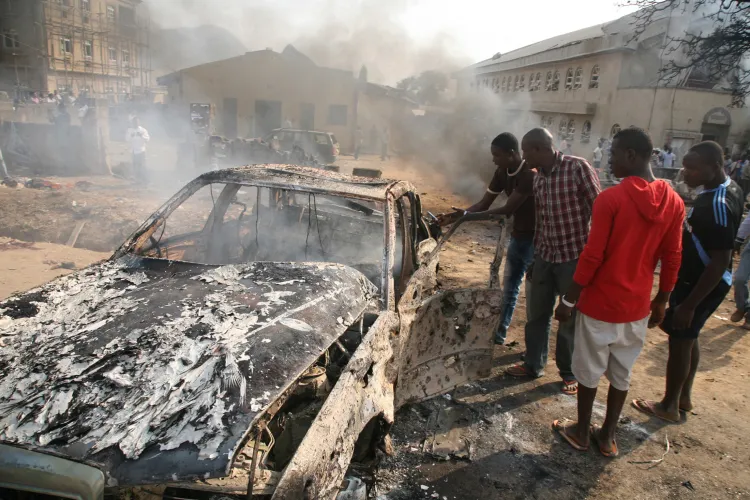
Where Is the Outrage Over the Jihadist Attacks Against Black Africans?

While much of the West remains focused on conflicts in Ukraine and Israel, a barbaric assault on Africans is taking place, yet this is hardly noticed. There is an active strategy by certain politicians and the mainstream media to cover it up.

Jan 19, 2024

Trusted Voices

Reviews & Endorsements

What Scholars Say

Dr .Toyin Falola
"From its first pages, one can feel the author’s courage in taking on these difficult tasks. The difficult task of asking direct question"
Dr John Mabayoje
"Stephen Enada writes with such objective clarity that shows a mastery of the understanding of what the Nigerian State actually has become and where it is heading to if good men do not stand up to uphold the rule of law"
Dr. Festus Ameh Ogwuche
With intellectual rigor and moral candor, Enada turns the searchlight not only on politicians and public institutions but also on ordinary citizens whose actions, inactions, prejudices, and allegiances helped to sustain systems of dysfunction, decadence and decimation.
Professor Offiong Offiong Aqua
"This text from Enada demands to be read, dissected, and debated. I highly commend it to scholars, policymakers, civil society leaders, and every citizen and non citizen invested in the reclamation of the Nigeria we all knew as kids."
Professor Vincent C. Anigbogu
"These are the demons that must be cast out of Nigeria for her to feel whole again. This book is a good read"
DR. TOYIN FALOLA
"Stephen Enada has written a courageous and timely book that confronts the hard truths behind Nigeria's struggles and offers a path to national renewal."

Author Video Gallery

Playlist

2 Videos

Get in Touch

Contact

For book inquiries, speaking engagements, media interviews, or bulk orders, please reach out below.

Follow